
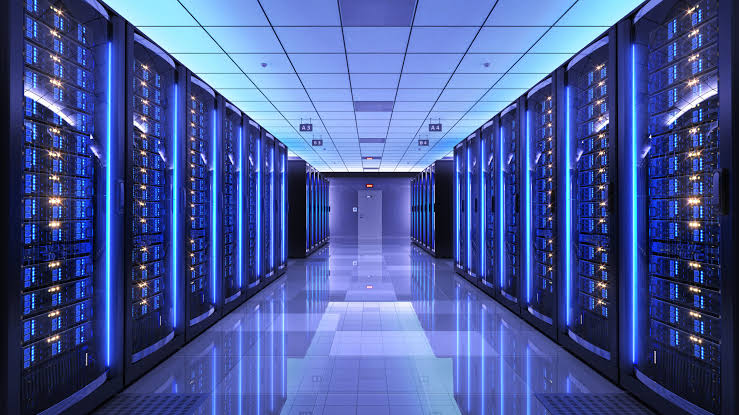
There’s real news out of Mombasa this week: Amaco Energy Group, a Greek multinational, is in talks with the Kenyan government over a proposed $1.5 billion AI data center. Amaco’s CEO, Theodore Theodoropoulos, has been in the country meeting officials to work toward approval for the project — and the details of how it’s meant to be powered are what make this one genuinely different from the usual data center announcement.
A data center that brings its own power plant
Most large data centers live or die by how much they can draw from the local electricity grid. Amaco’s plan is built around avoiding that problem entirely: the facility would run on an offshore liquefied natural gas-powered electricity system the company calls Hercules, which combines power generation and cooling into a single platform. In theory, that means the data center wouldn’t compete with homes and businesses for grid capacity at all — it would generate its own.
Why power capacity is really the story here
The independent power angle exists for a reason: Kenya has already seen a major data center project stall over exactly this issue. A previously announced $1 billion Microsoft data center reportedly hit trouble over the country’s power capacity. Amaco’s own numbers show the scale of what’s being discussed — an initial 60 megawatts for regional use, with plans to scale toward 1,000 megawatts, a figure that has already raised questions in Kenya about whether that kind of capacity is realistic to support, even with an independent supply.
Why this matters even if you’ll never see the building
Kenya has been steadily building a reputation as East Africa’s data center hub, and projects at this scale are part of why. More AI and cloud infrastructure physically located in Kenya — rather than routed through data centers overseas — means more of the compute, storage, and content that businesses and everyday users rely on can sit closer to home. That’s the same underlying idea behind why local data centers and peering points already matter for how fast your everyday connection actually feels: proximity and local infrastructure, not just headline speed numbers, are a big part of what makes internet access genuinely better.
Whether or not the Mombasa project ultimately breaks ground at the scale being discussed, it’s a real signal of how seriously international players are treating Kenya as a place to build serious digital infrastructure — which is good news for the country’s internet ecosystem as a whole, WebSpace Internet included.
Reliable connectivity, built from Kasarani
Big infrastructure announcements are exciting, but what most homes and businesses actually need day to day is a connection that just works. That’s what we focus on at WebSpace Internet — fast, reliable PPPoE and Hotspot internet with free installation and unlimited, no-throttle packages from Ksh 1,500/month. Give us a call on 0702 447 334 or visit our contact page to get connected.